Working with live high-voltage circuits puts technicians at constant shock and arc-flash risks. Many cheap ungraded multimeters fail to offer adequate protection and become hidden hazards during maintenance. Understanding CAT safety ratings is the first step to protecting yourself on-site.
CAT ratings define a meter's ability to withstand voltage surges in different working environments:
CAT III 1000V: Designed for fixed indoor electrical systems, distribution panels, wiring cabinets and household power circuits. Suitable for daily residential and commercial electrical repair.
CAT IV 600V: For outdoor overhead lines, utility meter terminals and primary power feeders. This rating handles severe transient surges from grid power, a must-have for solar installers and industrial field crews.
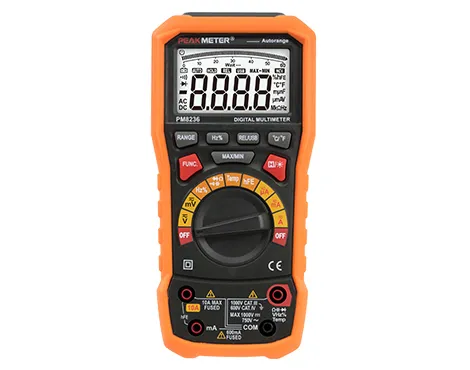
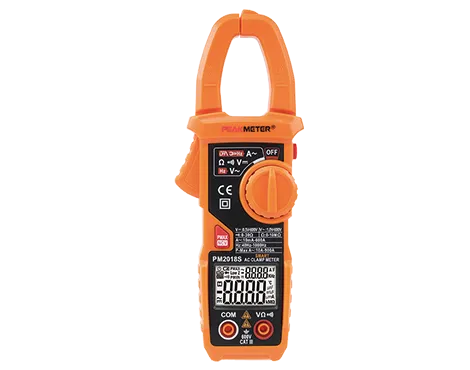
All core PEAKMETER digital multimeters and clamp meters strictly comply with CAT III / CAT IV international standards:
Double insulated casing to block electric leakage
Full-range overload protection for voltage, current and resistance modes
Anti-spark input jack design to avoid accidental short circuits
NCV non-contact voltage alert to detect live wires without metal contact
Solar PV maintenance technicians, utility electricians, construction wiring teams and factory power system inspectors should only use CAT IV certified testers. For indoor HVAC and appliance repair, CAT III meters meet daily demands perfectly.

 English