
1. Matched‑rating fast‑blow fuses for current‑range ports
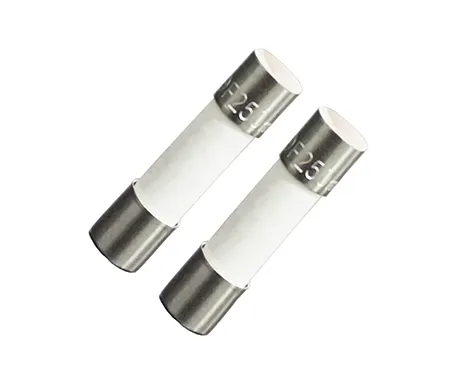
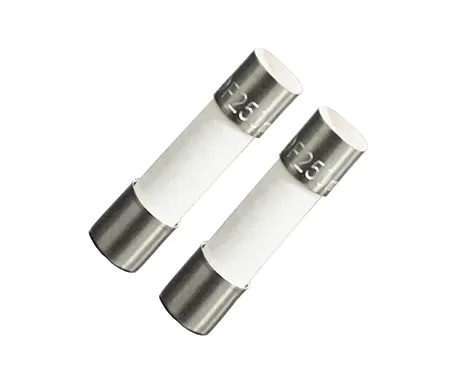
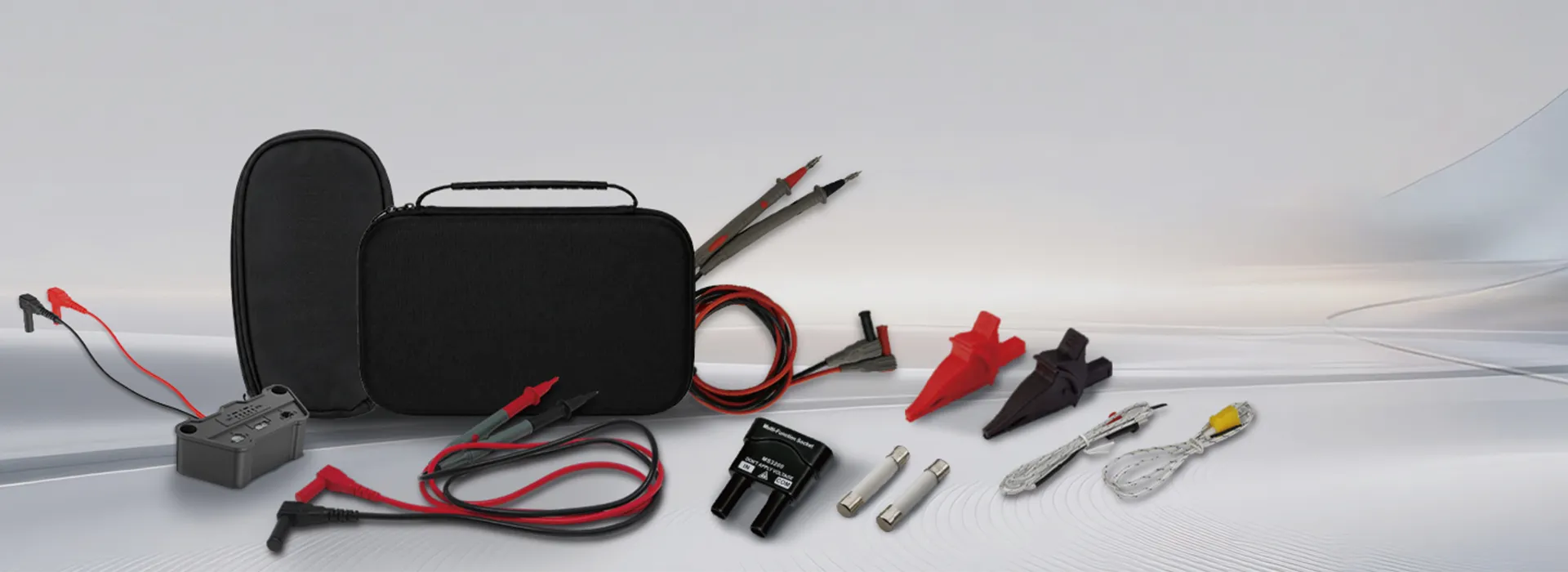
Quick‑acting fuses of 600 mA‑600 V and 10 A‑600 V are standard‑fit for multimeter current terminals. Fast‑cut‑off design instantly trips during overload‑current surges.
2. High‑voltage‑compliant ceramic fuse body
Ceramic‑shell fuses deliver strong arc‑suppression capacity. They withstand CAT‑III industrial test‑voltage shocks and avoid shell cracking under short‑circuit conditions.
3. Strict IEC‑approved breaking‑capacity standard
All replacement fuses meet IEC61010 safety criteria. Adequate breaking‑capacity stops electric‑arc hazards when testing live‑load industrial circuits.
1. Safety First and Proper Preparation
Before attempting any maintenance, always ensure your Peakmeter instrument is completely powered off and all test leads are disconnected. Carefully remove the protective rubber holster and unscrew the back casing to safely access the internal fuse compartment without risking electrical shock or damaging the device.
2. Identifying and Removing the Blown Fuse
Locate the blown fuse inside the battery or main compartment and carefully check its specific amperage and voltage ratings printed on the metal cap. Gently extract the damaged fuse using non-conductive tweezers, ensuring you do not damage the surrounding delicate circuit board components during removal.
3. Installing the Correct Replacement and Reassembly
Install a brand-new, genuine Peakmeter replacement fuse that exactly matches the original specifications, such as a high-breaking-capacity ceramic fuse. Securely fasten the back cover, reattach the protective holster, and perform a quick continuity test to verify the instrument is fully restored and safe for accurate measurements.


 English